
A mill of Andalusian heritage where the water never stopped
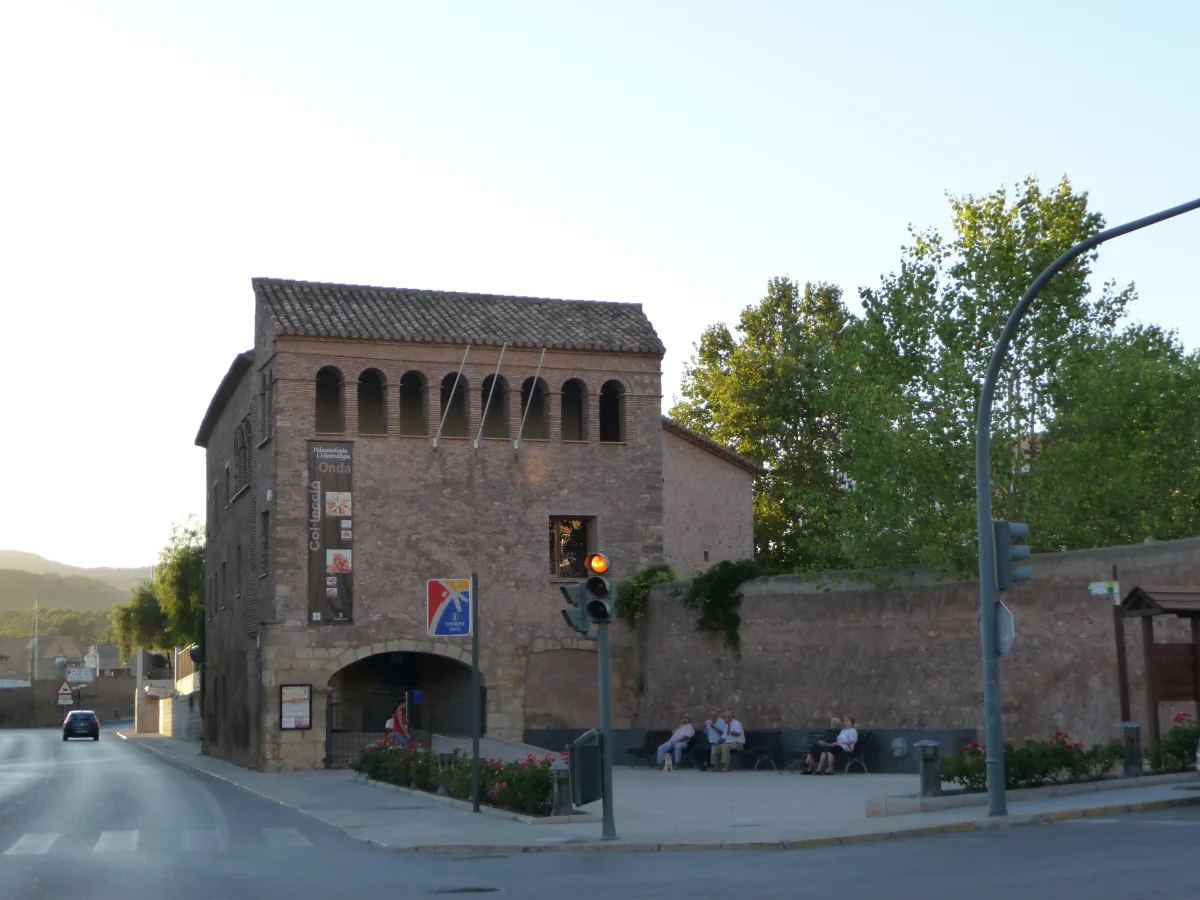
Some places accumulate layers. The Moli de la Reixa (moli means mill) is one of them: a trapezoidal building with stone rubble walls that stands beside an irrigation channel of Islamic origin and forms part of a network of mills documented since the Middle Ages, although the current building dates from the 18th century. Throughout its recorded history it has carried different names linked to its position within the irrigation network; the present name, Moli de la Reixa, has endured to this day.
It was declared a Historic-Artistic Monument in 1978 and an Asset of Local Interest in 1982. In recent decades its machinery has been restored and period-equivalent pieces added to better explain how it worked. In 2019 part of the exhibition space was renewed with the display Tresors de la terra (Treasures of the Earth), incorporating new interpretive resources. The irrigation system that fed the mill, originating at the Font de la Forca, is still present and water continues to flow beside the building, evoking the use it served for centuries.
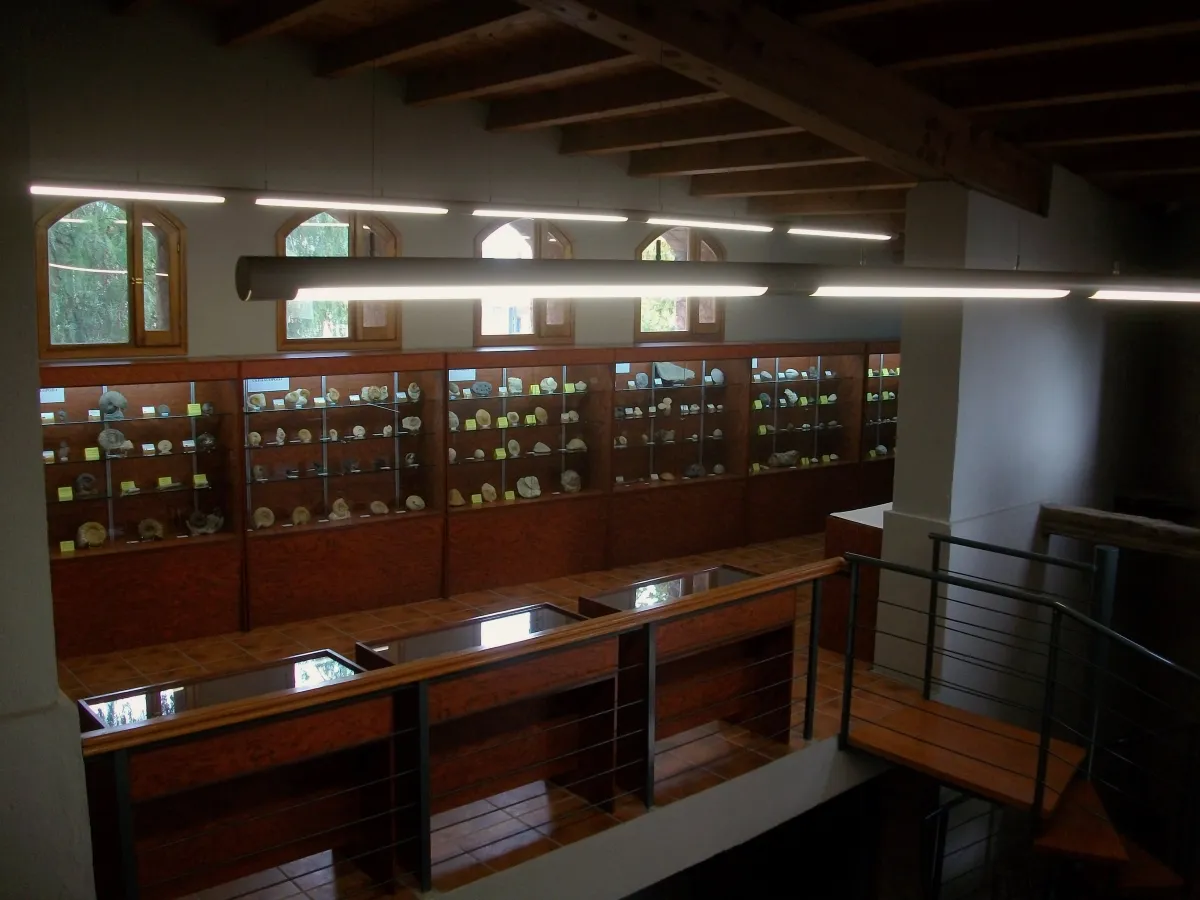
The echinoderm collection on the first floor is the most important in the museum, with specimens from families and genera found around the world. Few visitors expect this when entering a medieval mill beside an orchard irrigation channel.
Three floors, three worlds
The museum is spread across three floors with clearly distinct content. The ground floor tells the story of water and mills: how Onda's irrigation system worked from Islamic times, what role flour mills played in the medieval economy, and how the restored machinery, with its wooden wheels and gears, transformed grain into flour. There are audiovisual materials and the machinery is visible enough to understand the mechanism without needing someone to explain it.
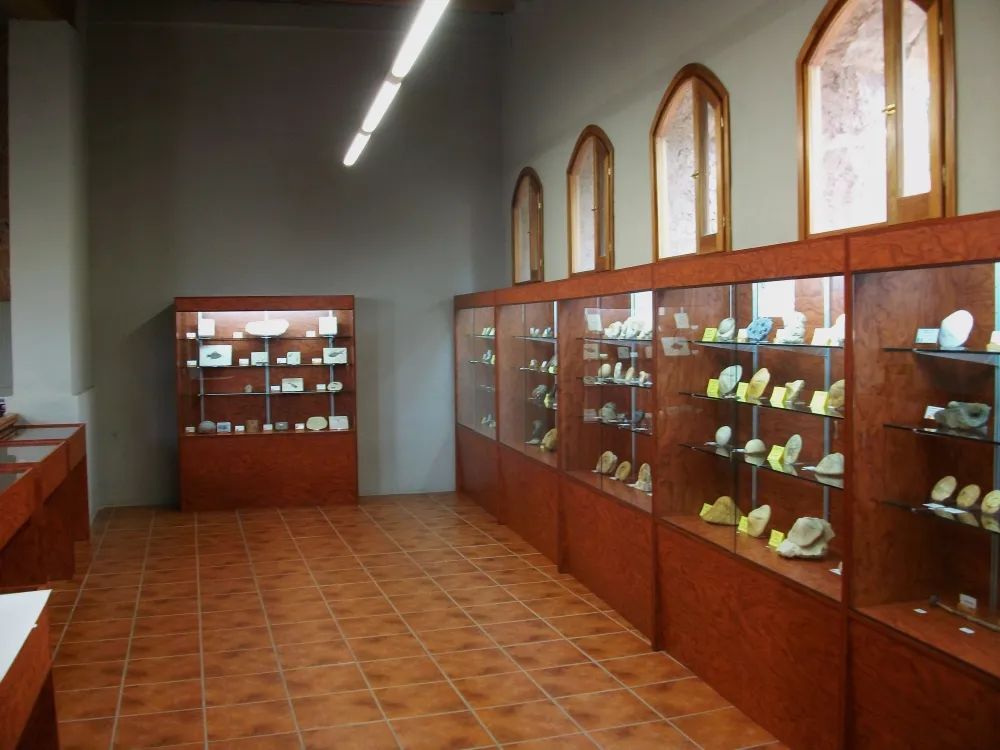
The first floor is devoted to palaeontology. The collection begins with Cretaceous and Miocene deposits from the Castellon area and extends to material from around the world. The echinoderm group (fossil sea urchins and related organisms) is the most significant: genera and families are rarely brought together in a single space. There are also Cenozoic vertebrates and specimens from more recent mammals. The municipal association Amics de la Paleontologia i Mineralogia (Friends of Palaeontology and Mineralogy) has managed this collection since 2005 in partnership with the Town Council.
The second floor houses the rocks and minerals section, with pieces from Onda and around the world. The Tresors de la Terra (Treasures of the Earth) exhibition, opened in 2019, completely renewed this floor and introduced digital panels and interactive displays. There is also an architectural scale model of the municipality.
OndaNatura: the landscape as context
OndaNatura is not just the name of the municipal exhibition space on water and nature; it is also the thread running through the entire museum. The Sierra de Espaadan, the Natural Park that begins north of Onda, features as a reference throughout the ground-floor exhibition: the local fauna and flora, how water and landscape interact, and the relationship between the sierra and the aquifers that fed the valley mills for centuries.
The mill is part of the Camins dels Dinosaures (Dinosaur Trails) network of the Valencian Community, an itinerary connecting 30 palaeontological resources across the region. If the subject interests you, there are other sites and museums in the province worth combining with a visit here.
Practical information
The Moli de la Reixa is within the urban area of Onda, at Carrer La Cossa s/n, a few minutes on foot from the Town Hall and the historic quarter. It opens on Fridays, Saturdays, Sundays and public holidays from 10:00 to 13:00. A visit takes between 45 minutes and an hour and a half, depending on your interest in the palaeontology collection. Admission costs €3 (free for registered residents of Onda).
The same building also houses a municipal tourist information point, making it a good starting point for planning the rest of your day. If you have children with you, the fossil floor tends to hold their attention longest. For groups with an interest in geology or palaeontology, it is worth booking in advance through Tourist Info Onda (964 602 855).
Video: Moli de la Reixa · Channel Onda Town Council. Source: Onda Town Council.