
A museum you would not expect to find here
Onda produces around half of all azulejo (decorative ceramic tile) made in Spain. The entire ceramic industry of the Plana de Castellon has its epicentre in this city, and that changes everything: when Onda decided to create a tile museum, there was more than enough to fill it. The Museu del Taulell (official Valencian name, meaning Tile Museum) has been bringing together ceramic pieces since 1985, spanning from prehistoric objects to contemporary tiles. The result is a collection that ceramic specialists from around the world regard as a reference.
It is not the largest museum you will visit. But there are very few towns the size of Onda that have anything comparable. If you are interested in design history, craftsmanship or simply understanding where the materials covering millions of homes across Europe come from, it is worth a couple of hours.
Castellon produces more than 90% of the azulejo tiles manufactured in Spain. Around half of that comes from Onda and its surroundings. This museum exists because the city has that history, and because someone decided it was worth telling.
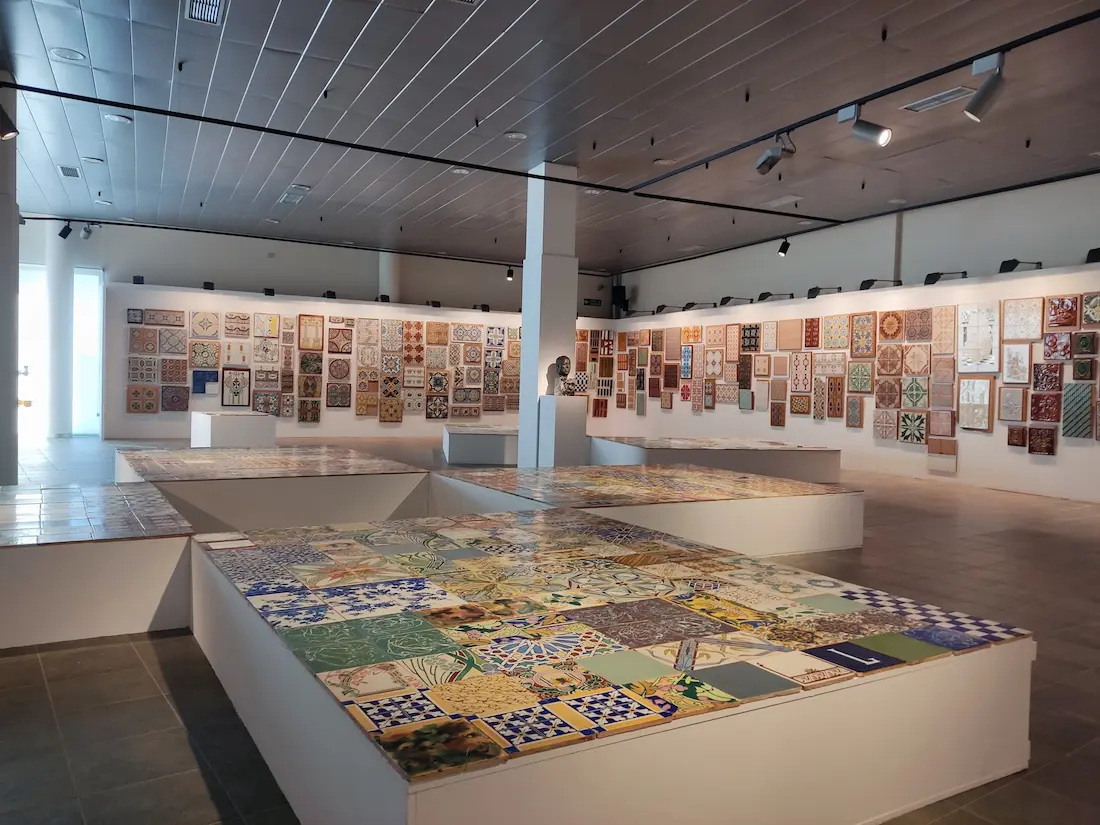
The collection: 3,000 years in an afternoon
What makes the Museu del Taulell distinctive is not just the number of pieces but the span of time they cover. The collection opens with prehistoric and Roman-era ceramics, continues with Islamic tiles from the medieval period, reaches its peak in the 18th century (when Onda lived its ceramic golden age and its pieces were exported across the Mediterranean) and extends to industrial production of the 20th century.
There is also an international dimension that surprises: alongside the Valencian tradition, the collection includes pieces from Portugal, Italy (majolica), the Netherlands (Delft porcelain) and North Africa. Not for abstract comparison, but to place the Valencian azulejo within a shared ceramic history.
The 18th-century plafons (decorative painted tile panels) are probably what strikes first-time visitors most immediately. They depict religious, mythological and everyday scenes, and give a very concrete sense of what the azulejo meant as an applied art form before it became an industrial building material.
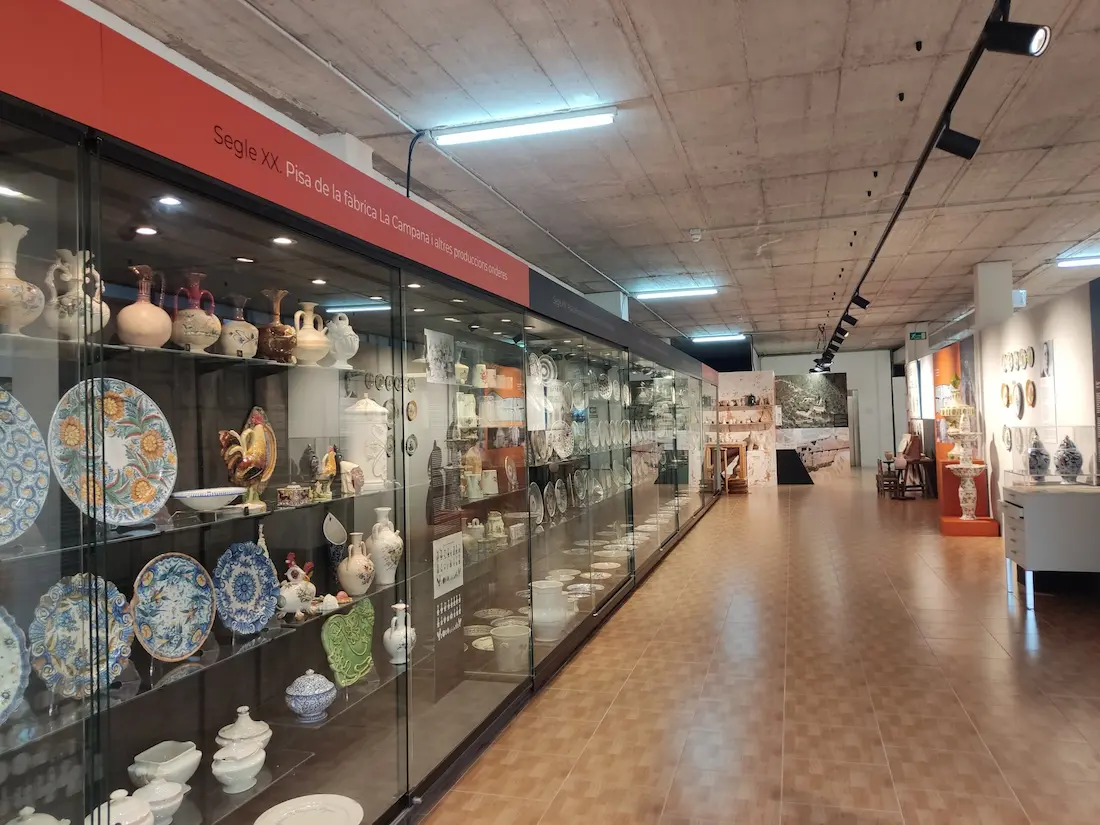
The building
The Museu del Taulell occupies a contemporary building constructed specifically to house the collection, on Calle París s/n, on the outskirts of Onda. The facade is clad in azulejo tiles, making the building itself a statement of intent before you even enter. It is rare for a museum's container to also be part of its argument.
On the same axis, the Natural Sciences Museum (Museu de Ciencies Naturals) occupies the adjacent space. If you have time, both museums together make for a full morning without needing to leave the neighbourhood.
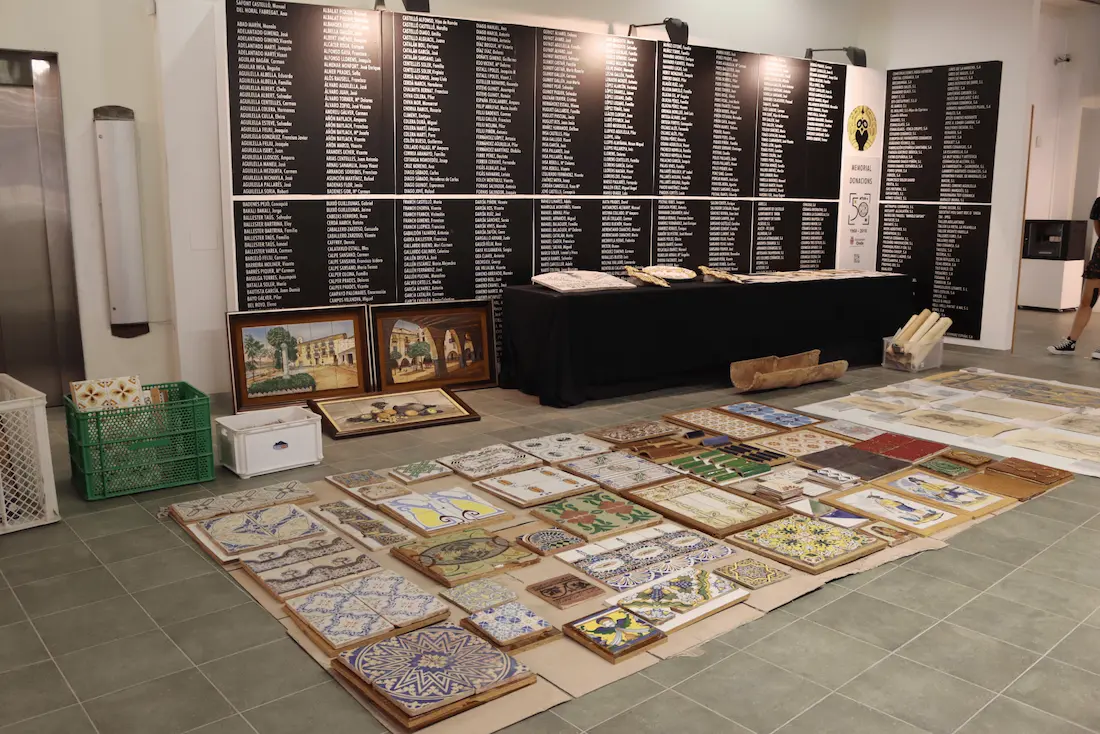

Video: Museu del Taulell Manolo Safont · Channel Ajuntament d'Onda. Source: Onda Town Council.
Practical tips
The museum is on Calle París s/n, on the outskirts of Onda. There is parking next to the building. A full visit takes between one and one and a half hours at a leisurely pace. It is free, which makes it a visit with no excuses.
Closed on Mondays. Tuesday to Saturday it opens morning and afternoon, with a midday break. It is worth confirming exact opening hours before visiting, as they can vary by season. The Tourism Office number is 964 602 855.
If you combine the visit with the Castle of the 300 Towers in the same day, you can take in Onda's two main attractions. The castle is in the historic quarter, about 10 minutes by car from the museum.