
A castle worth the climb
From Onda's town centre, the castle hill is always there above you, marking the horizon. Coming this far and not climbing up would be a mistake. When you reach the top and turn around, the Plana de Castellón stretches all the way to the sea, the fortress towers rise above the rock, and you understand why someone chose this hilltop a thousand years ago.
The Castle of the 300 Towers is one of Onda's most visited sites and its most recognisable symbol, not because it's heavily marketed, but because it deserves it. It's one of the finest medieval walled enclosures in the Valencia region, with an internal museum whose collection will surprise you for a town of this size.
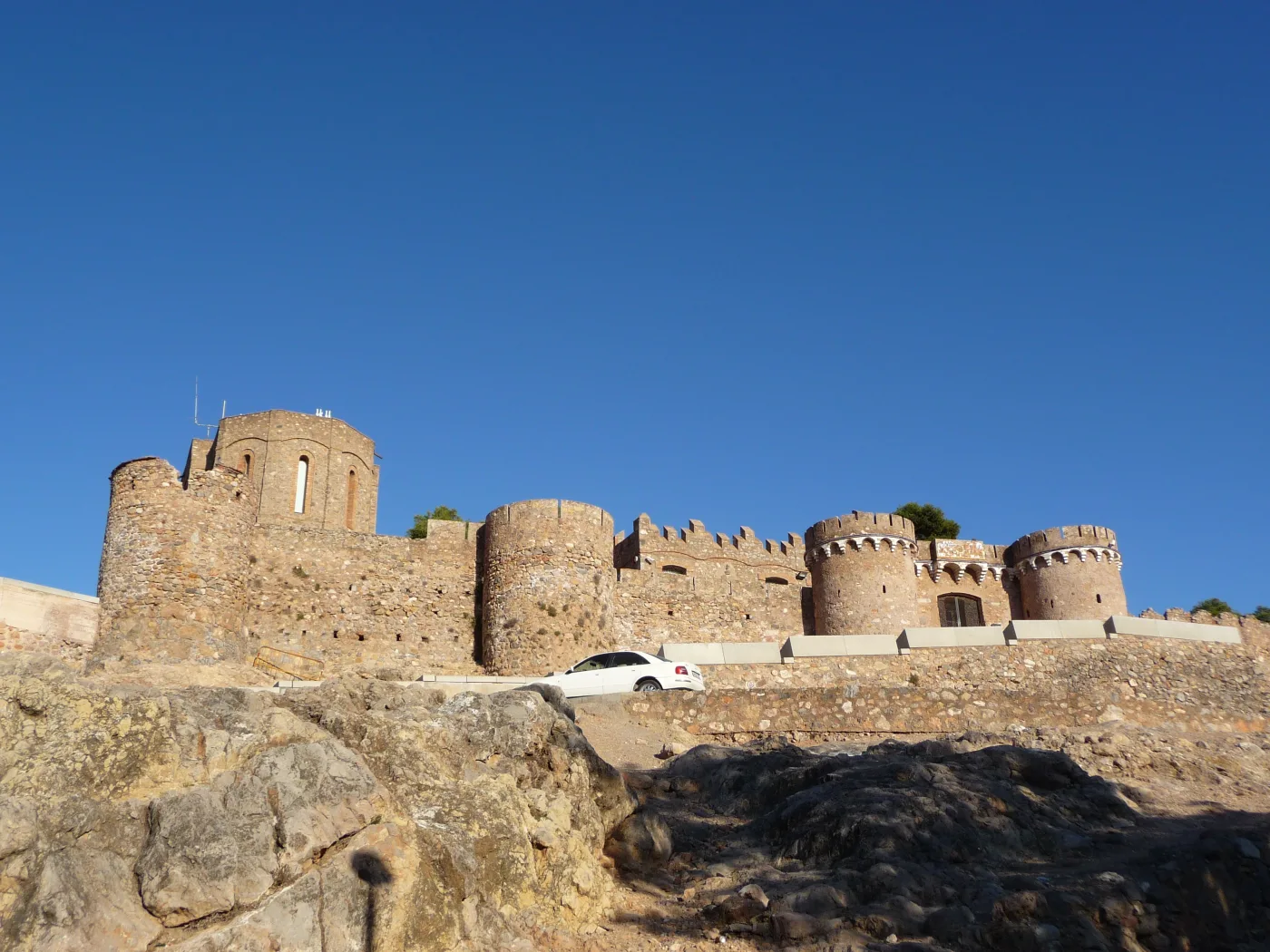
Legend says it had as many towers as there are days in the year. The truth is less precise, but the name says a great deal about how people in Onda have always seen their castle: something out of the ordinary.
History: a thousand years on a hilltop
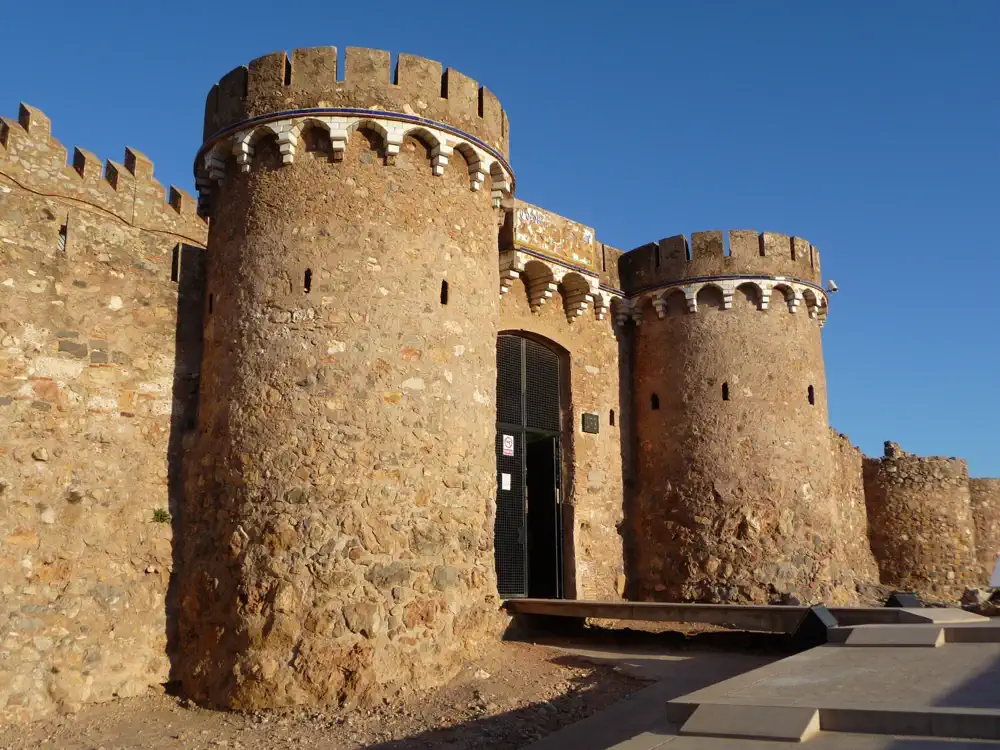
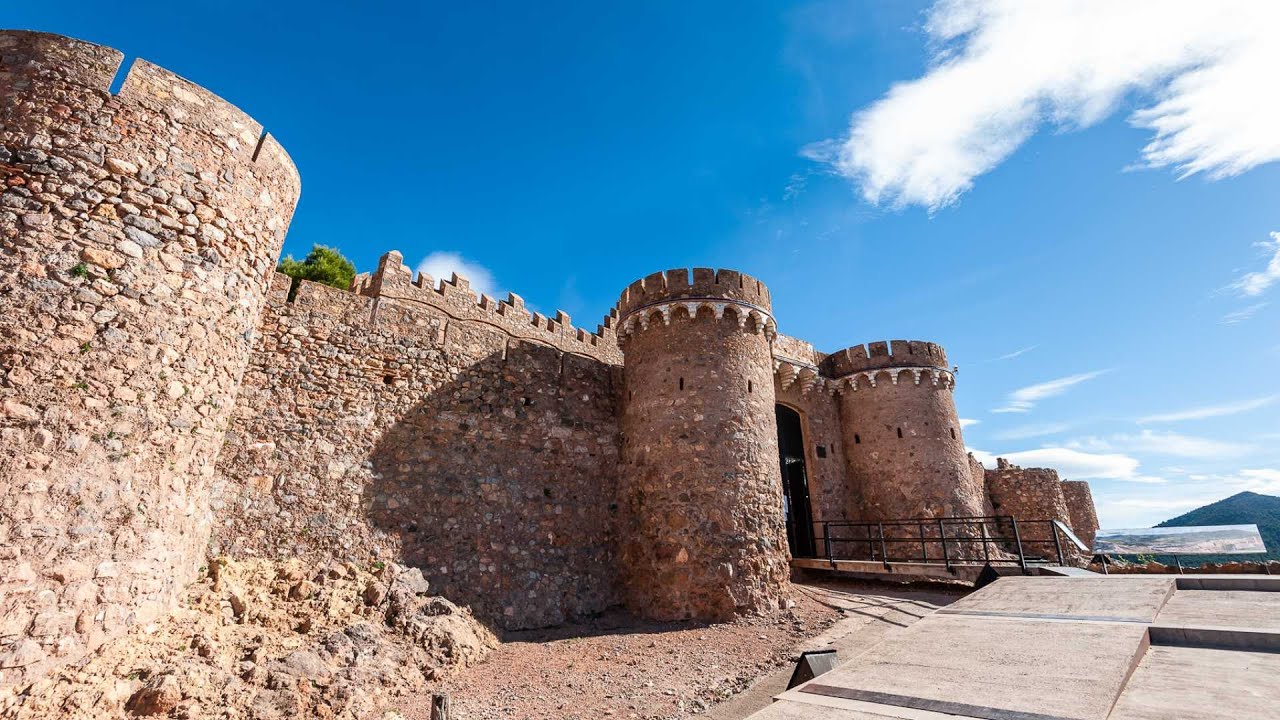
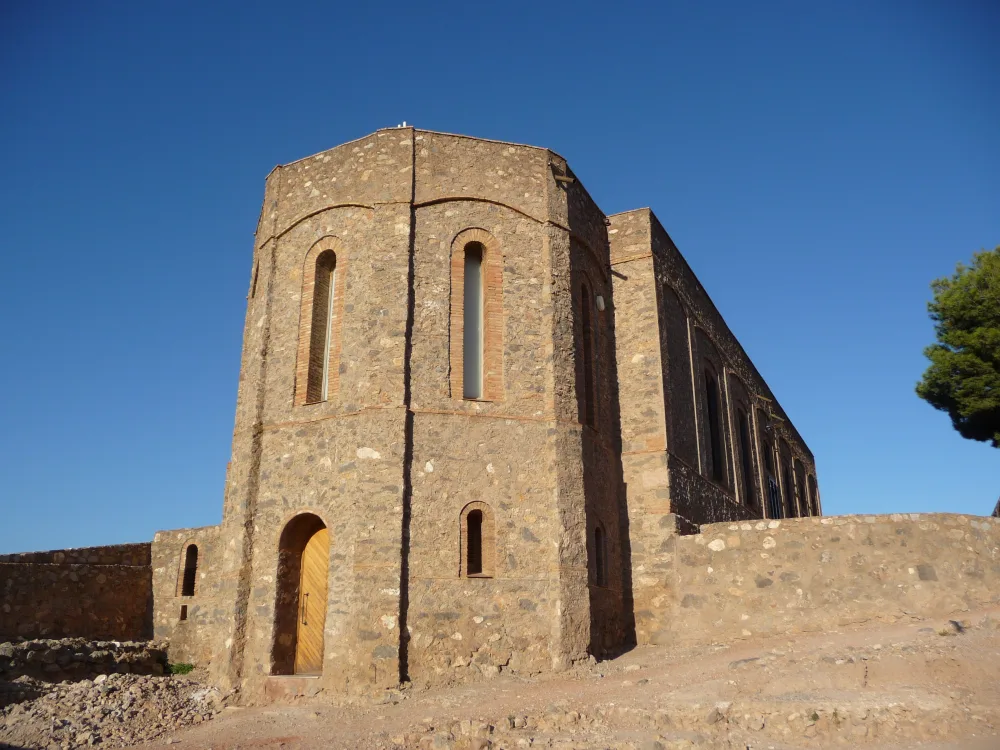
The fortress you see today was built in the 10th century, during the Andalusian period, on a hill that had already been occupied in Iberian and Roman times. The Moors chose this location for obvious reasons: total visual control over the plain, access to water and a defensive position that forced any attacker to advance uphill in the open. The enclosure grew over centuries, and that layered growth is part of what makes exploring it so interesting.
In the first half of the 13th century, King James I of Aragon conquered Onda as part of the incorporation of these lands into the Kingdom of Valencia. The transition left its mark on the castle's architecture, which was adapted and reformed by its new inhabitants. Later, during the 19th century, the enclosure saw intense military activity (particularly during the Carlist Wars) and its rooms changed purpose several times. That chapter is also written into its walls.
Archaeological excavations throughout the 20th and 21st centuries have uncovered materials from all these periods, and many of them are now on display in the interior museum. The castle is not just stone: it is a physical archive of everything that has happened in Onda.
Eleven centuries of history
- Hill inhabited in Iberian times
- Later Roman presence
- Fortress built (10th c.)
- Key stronghold in Sharq al-Andalus
- El Cid captures and loses it (1090)
- James I conquers Onda (1242)
- Orders of Temple, Hospital & Montesa
- Enclosure takes its final form
- Known as the Castle of 300 Towers
- Castilian Wars
- Revolt of the Brotherhoods
- War of Succession
- Napoleonic occupation
- Carlist Wars and restoration
- Civil War (both sides)
- Historic-Artistic Site (1967)
- Museumification and public opening
What to see inside
The enclosure has several distinct areas. The section of wall of Islamic origin leads to the musealised rooms. Several chambers house the Museum of Local History and Archaeology, with archaeological pieces spanning from the Iberian and Roman periods to the Early Modern era: ceramics, everyday objects and building materials that put everything you see in context.
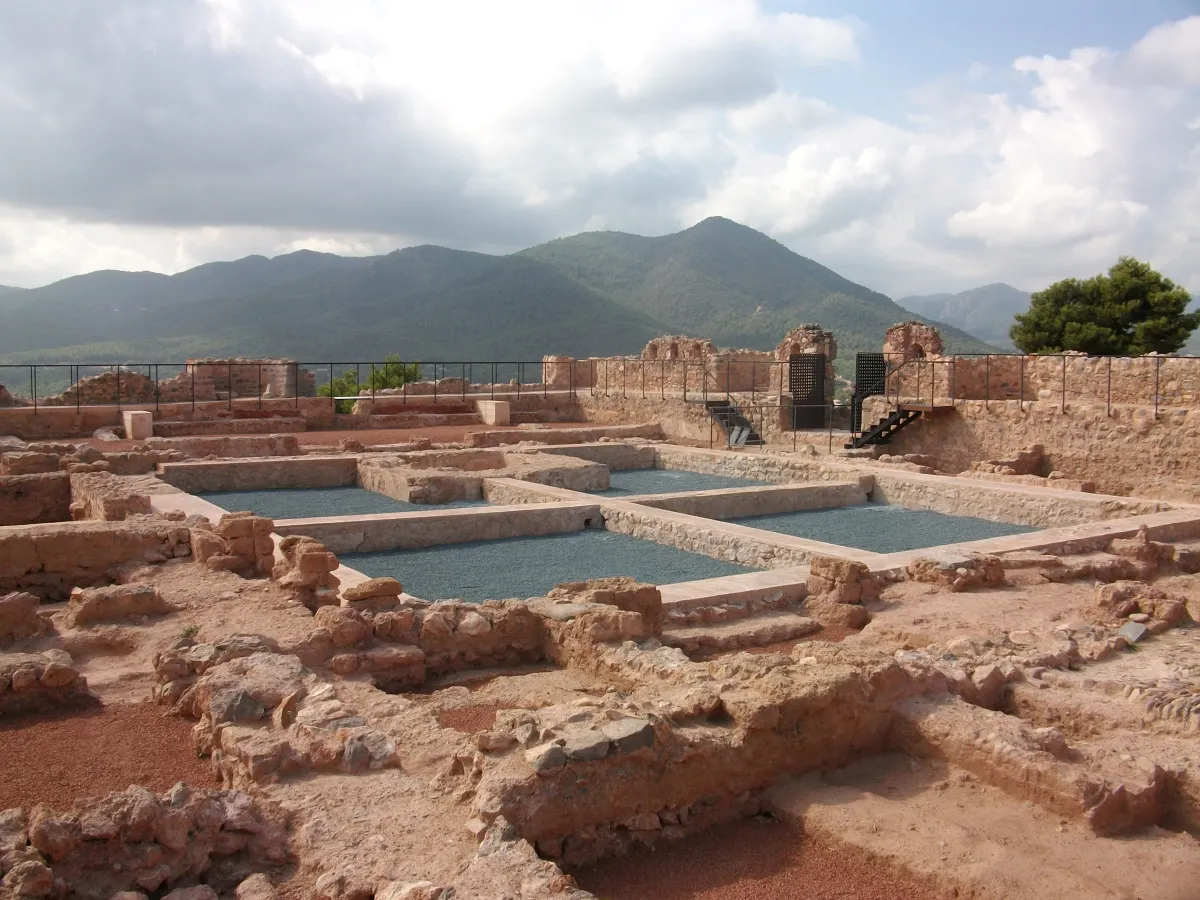
The Keep is the highest point of the enclosure and the most photographed. A walk along the walls from its base offers constantly changing views of the surrounding landscape. Take your time and explore without a fixed plan.
Right next to the castle is the Shrine of Our Lady of Grace, Onda's patron saint, documented as early as the 14th century. Many visitors include it in the same tour, and it makes sense: together they complete the hilltop visit.

The views
They are the definitive argument for making the climb. The Plana de Castellón is an almost perfectly flat plain that reaches all the way to the Mediterranean, and from up here you can see the whole of it. On clear days the sea appears on the horizon. To the west, the Serra de Espadán closes the view with its ridgeline. Below, Onda's rooftops arrange themselves around the Church of the Assumption.
Dawn and dusk are the best times. If you happen to be here for either, the enclosure is worth visiting again even if you've already been.
Íntims al Castell
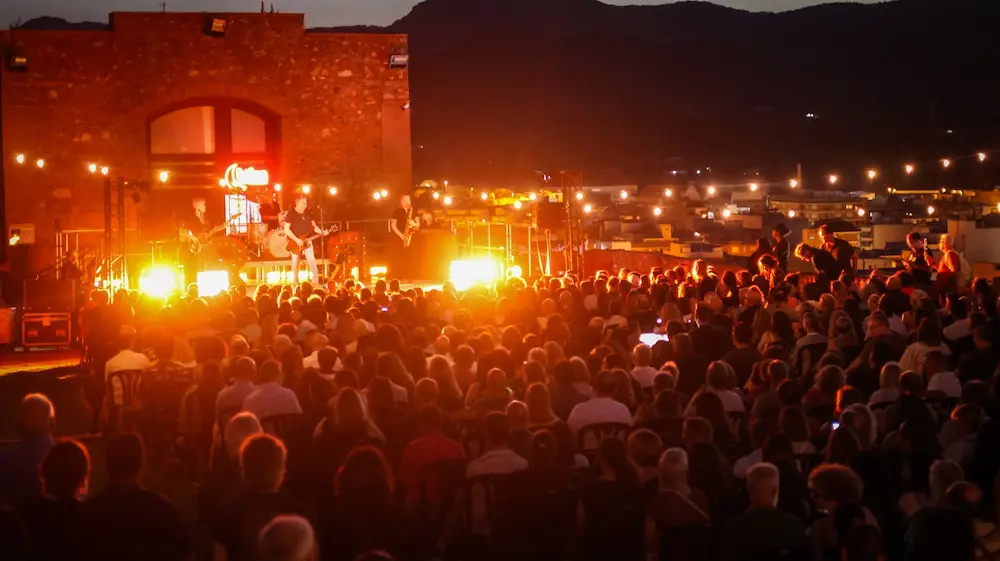
Every June the castle hosts an intimate concert series. Íntims al Castell brings four performances on consecutive Saturdays, with the castle walls as a backdrop and closeness between artist and audience as its defining feature. No screens, no large productions: the historic setting is part of what's on offer.
The programme has covered a wide range of genres. Flamenco, jazz, pop and classical music have all shared the same stage: past performers include Israel Fernández, Rita Payés, Sole Giménez, Duncan Dhu, Estrella Morente and James Rhodes. A single night once drew more than 3,000 people.
The line-up changes every season. For dates, artists and tickets, check intimsalcastell.es or the Onda Tourism website.
Practical information
The walk from the historic centre takes 10–15 minutes along well-signposted paths. There is also a road that takes you almost to the entrance, with limited parking. In summer, go early: the hillside has no shade and the heat can be considerable by midday.
The enclosure is large. A quick visit to the walls and tower takes about an hour; if you go through the museum and take time to read the panels, allow two hours or more. Bring water if you're visiting in warm weather.