
The largest cork oak forest in the region
The Sierra de Espadán is the great inland mountain range of Castellón: 31,180 hectares of Natural Park extending from the Plana Baixa into the interior, spread across 19 municipalities. Onda lies on its eastern edge, making it one of the best entry points to the park from the coast.
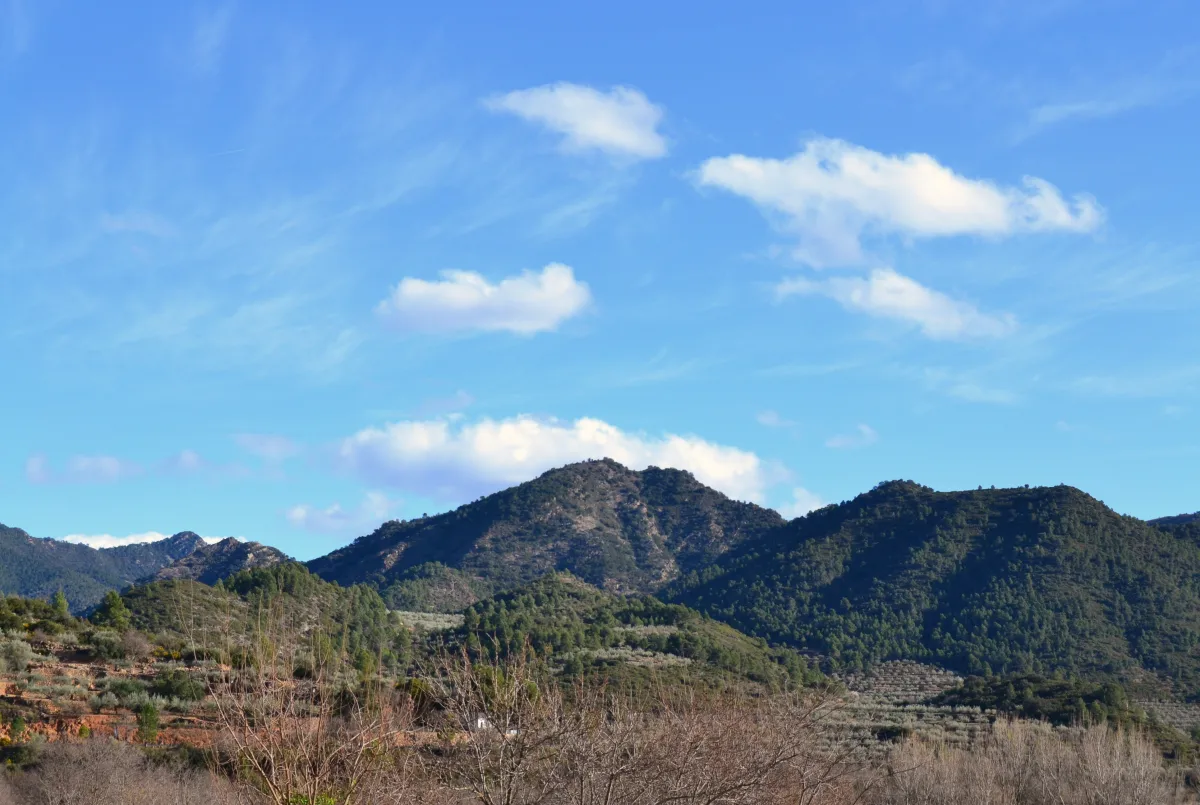
The park's most distinctive feature is its cork oak forest, one of the largest on the entire Iberian Peninsula. Cork oaks dominate the middle reaches of the sierra, mixed with pines, strawberry trees and heather. In spring and autumn the forest is especially dense and fragrant; in summer the cork-oak canopy keeps many routes walkable even during the middle of the day.
Red rock, ravines and summits
The sierra is formed mainly from rodeno, an intensely red sandstone characteristic of this corner of Castellón. This rock gives the landscape an unmistakable colour: vertical walls, loose boulders and irregular formations that break the green line of the forest. The Peñas Aragonesas, visible from Onda's municipality, are the most striking example of these formations.
The highest point in the park is La Rápita (1,106 m), followed by El Pinar (1,101 m) and Pico Espadán itself (1,099 m), which gives the sierra its name but is the third summit by elevation. Reaching the heart of the sierra from Onda does not require going to the highest points: from just 600–700 m altitude the landscape changes completely from the plain and the atmosphere is that of deep Mediterranean mountain terrain, with ravines, springs and abandoned farmsteads.
From Onda: the eastern entrance to the park
Onda's municipality borders the sierra to the east. Forest tracks heading north and north-west from the town connect within a few kilometres with the park's paths. From the Club de Campo or from the municipal cemetery, several access routes on foot and by mountain bike set off and within 30–40 minutes of walking leave the farming zone and enter the forest.
The sierra is also the setting for several official FEMECV-coded hiking routes that start from the municipality: the Santa Bàrbara and Montí route, the Peñas Aragonesas, Pic de Montí and the path to Maset de Marimon. All depart from the town or its immediate surroundings.
Villamalur: trenches and ice house
Villamalur is one of the smallest villages in the park, with barely twenty inhabitants, and has two attractions worth the detour. The Civil War trenches surrounding the village are among the best-preserved in the province: kilometres of parapets and shelters carved into the red rodeno sandstone, still clearly recognisable, with signage explaining the front line that crossed this sierra between 1938 and 1939. They are well visited, especially at weekends.
A short distance away, the Villamalur ice house is a traditional circular semi-underground structure where snow collected in winter was stored for use as a preservative in summer. It is in good condition and easy to find. Together with the trenches it makes for a visit that combines historical and ethnological heritage in under half a day.

Video: Nevera de Cuatro Caminos-Trincheras de Villamalur · Channel Juane Alemany Barres
Flora and fauna
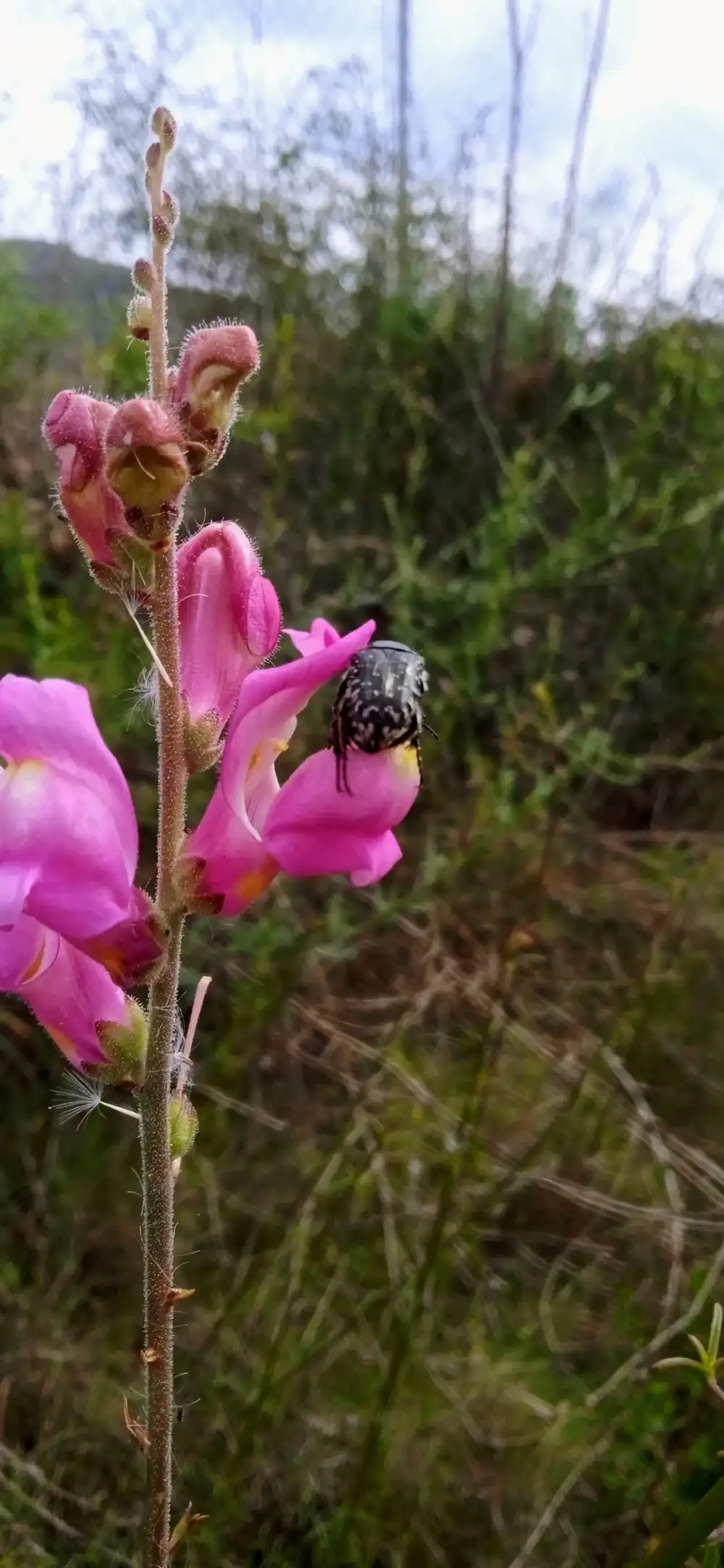
Beyond the cork oak forest, the sierra is home to communities of strawberry tree, white heather, red heather and cistus. In the dampest ravines you find ash, alder and bramble. The variety of habitats supports rich wildlife: Bonelli's eagle, eagle owl, peregrine falcon, red deer, wild boar and, near water, otter. During migration season the ravines channel passing birds, making the sierra a rewarding birdwatching spot from October to November.
Cork harvesting is a traditional activity still practised on some of the park's estates. In summer you can see cork oaks stripped of their outer bark, the trunk exposed in a deep red, ready to regenerate over the next several years.
When to visit
Spring is the best season: flowers, mild temperatures, water in the ravines and the forest at its most active. Autumn is the second-best option, with notable colours in October and good walking conditions. In summer aim to set out before 9 a.m. and carry plenty of water; in winter the higher elevations may have fog or frost, but the lower routes close to Onda are almost always passable.