
Spring · around May
Free admission to most events · major concerts ticketed
Free outdoor concerts + ticketed indoor concert + workshops
Ajuntament d'Onda · Generalitat Valenciana
Every spring, Onda sounds like flamenco
Onda Flamenca was born just a few years ago as the town council's bid to anchor a music festival in the spring cultural calendar. With only a handful of editions behind it, the festival has grown quickly: by building line-ups with nationally recognised artists, consolidating a multi-day format with mostly free admission, and earning a place in the agenda of fans and visitors from across the province.
The Generalitat Valenciana now lists it among the community's subsidised music festivals, which not only supports its continuity but places it on the same footing as other established musical events in the region. For Onda, it means having an event with a reach beyond the town during May, a time of year that until now had no major festive anchor of its own.
A festival of squares and alleyways
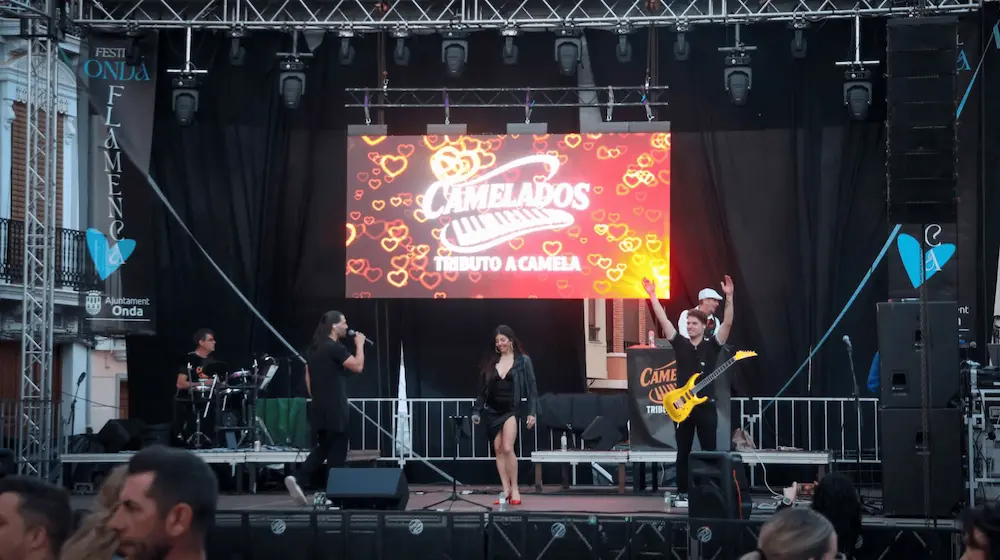
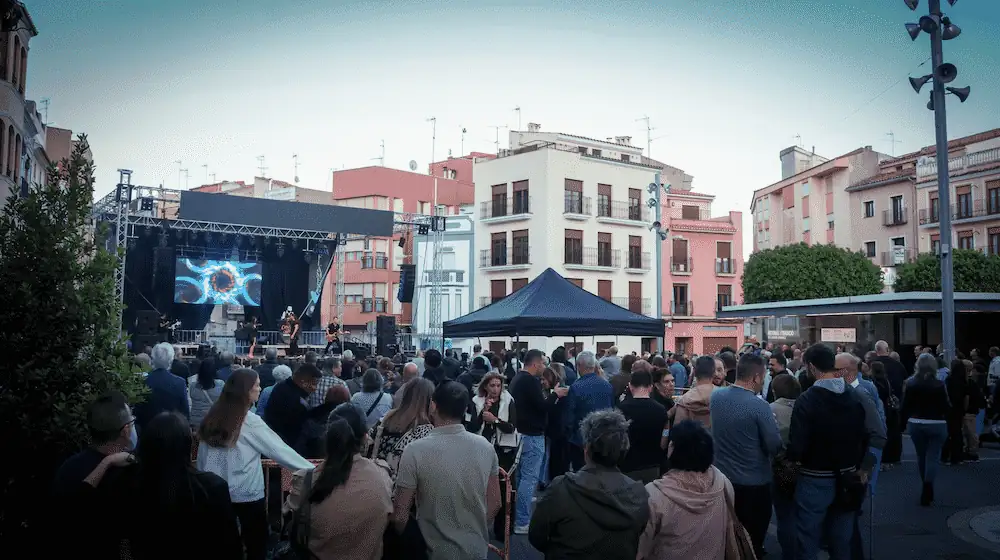
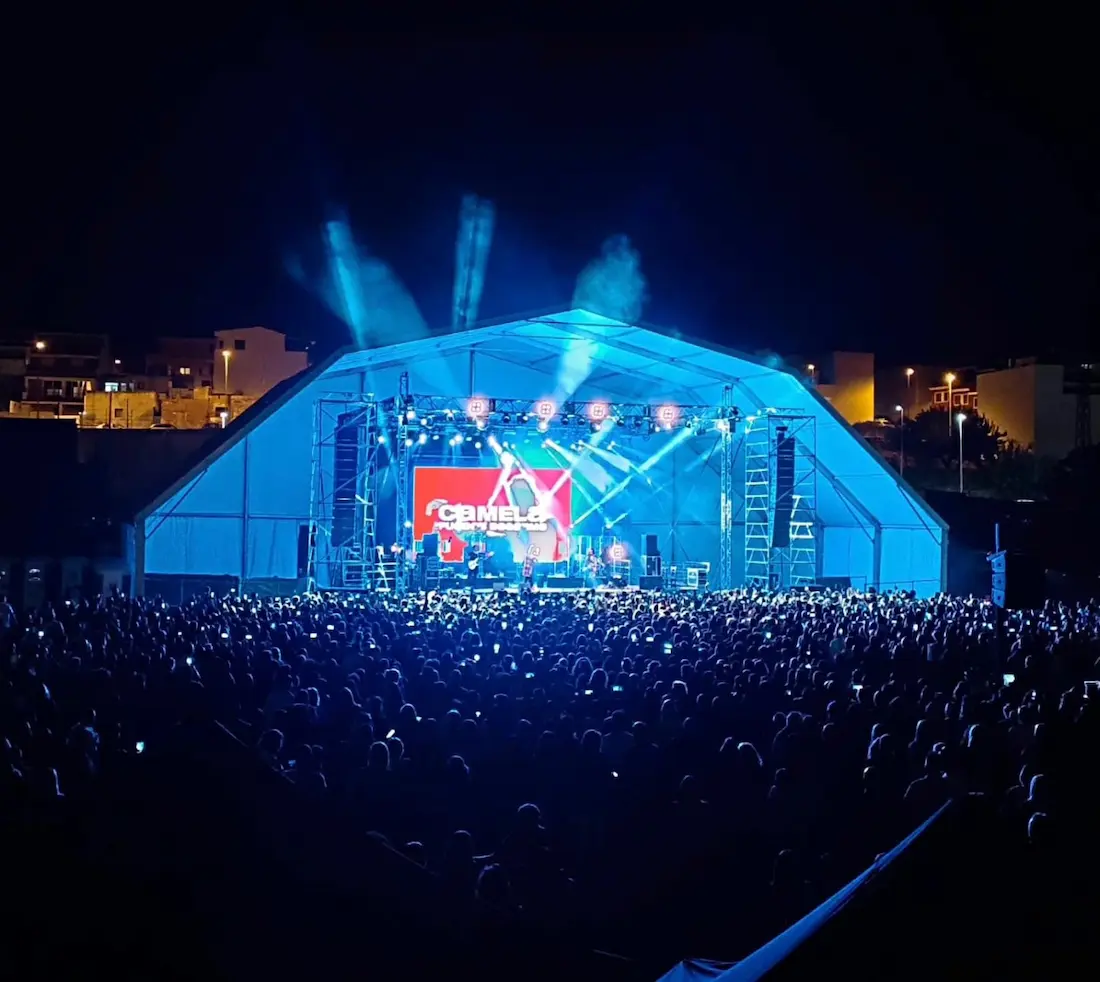
What makes Onda Flamenca special is its scale. Concerts are not confined to a single fenced-off venue: they spread across squares and open spaces in the historic centre, so attending the festival means moving through the city, discovering corners and experiencing flamenco with your feet on the ground of a Mediterranean town with seven hundred years of history beneath them.
Plaza España and Font de Dins have become the main open-air stages, with performances running from early afternoon into the small hours. The Raval de Sant Josep and Teatro Mónaco round out the festival map, offering different atmospheres and capacities that accommodate both the big headline acts and more intimate proposals.
Walking between stages means crossing the historic quarter, passing the Font de Dins, stepping into streets with medieval architecture and settling at a terrace between one act and the next. It is, at its core, a way of discovering Onda that no other event in the year can offer.
Artists who have played Onda Flamenca
The line-up combines two kinds of acts: big names in flamenco and Spanish rumba, familiar to a broad public, and local or regional artists who bring proximity and the talent of the comarca. Past editions have featured, among others:

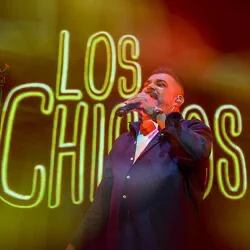

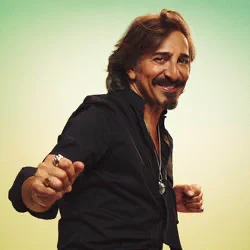


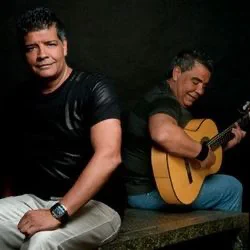
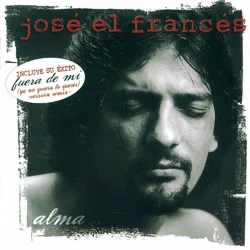
The list changes each edition, but the logic stays the same: popular artists capable of filling a square, combined with more intimate or local acts that give the festival a grounded character rather than a purely commercial one.
More than concerts: something for everyone
Onda Flamenca is not just a series of late-night concerts. Each edition's programme includes daytime activities designed for families, with particular attention to children.
Flamenco introduction workshops (clapping, footwork, basic dance steps) are a festival fixture: they let younger visitors (and curious adults) approach the genre in a practical, enjoyable way without any prior knowledge. These activities are usually free and held in central spaces, integrating naturally into the festival circuit.
The result is a festival that works at two speeds: a relaxed afternoon of workshops and family concerts, followed by a festive night with the headline acts. A combination that works equally well for someone who has come specifically to see one artist and for someone who happens to be in Onda that weekend and discovers flamenco in the square as an unexpected bonus.
Pair it with Onda: beyond the festival
Practical tips for your visit
-
01
Confirm the dates in advance. The festival has no fixed date within May; exact dates are announced each year on the council website and the festival's social media channels. Worth following them a couple of months ahead.
-
02
Book accommodation early. Onda has limited hotel options: Gran Hotel Toledo and Hotel Mola are the main choices in town. If the festival overlaps with a bank holiday or a provincial event, book weeks in advance.
-
03
Comfortable shoes. The festival is experienced on foot. The distances between Plaza España, Font de Dins, the Raval and Teatro Mónaco are short, but the paving in the historic quarter is uneven in places.
-
04
Tickets for the headline concerts. The biggest-name concerts usually take place at the Multiusos or other limited-capacity venues. Buy online as soon as the line-up is announced if there is a must-see act.
-
05
Make the most of the mornings. The festival occupies afternoons and evenings. Mornings are perfect for visiting the castle (open from 10 am) or strolling the historic quarter before the festival activity gets under way.